For the Allegany County Economic & Community Development (ACECD) team, 2025 was about strengthening community fundamentals—including housing, infrastructure, businesses, and destinations—while continuing to connect the dots between economic development, tourism, and residents.
Jeffery Barclay, ACECD Director, says, “We’re building the foundation of Allegany County.” In 2025, that foundation looked a lot like patient, behind-the-scenes progress that makes big “wins” possible, even if they aren’t fully finished yet.
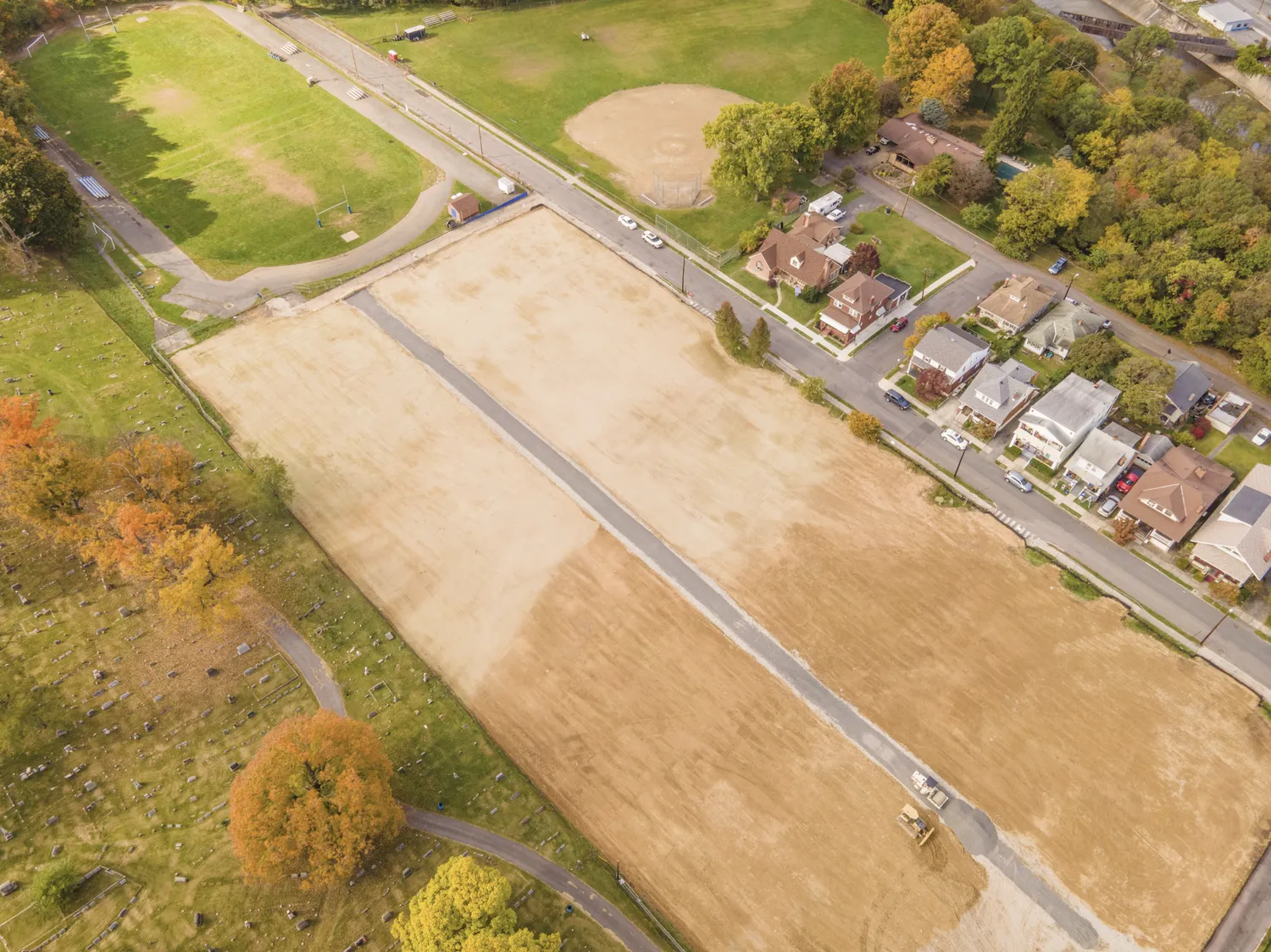
Housing is an example of that long-term progress in 2025. With the former Allegany High School site development well underway, the ACECD sought to keep attainable market-rate housing front and center. The County’s $4 million investment in infrastructure and pad sites was structured with “guardrails” to ensure that public dollars translate into lower housing costs for future homeowners. As the team noted, the Allegany High School site project is on schedule, with home construction anticipated to begin in early summer 2026, demonstrating that the groundwork laid in 2025 is already moving toward near-term results.
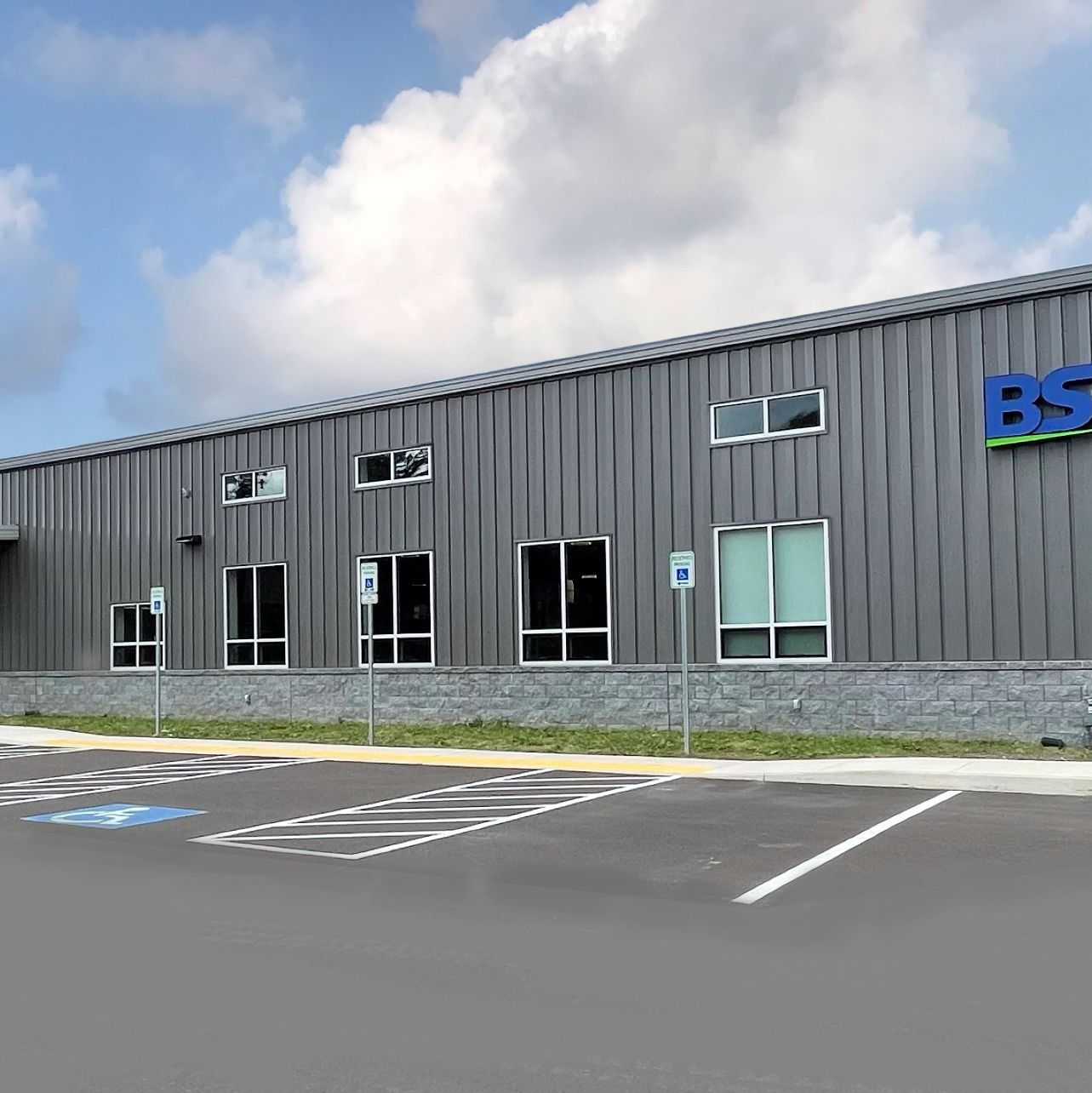
Another key milestone in 2025 was steady progress on Kingspan Roofing + Waterproofing’s project at the North Branch Industrial Park. Early in the 2025 calendar year, Allegany County commissioners approved Texas-based RailPros to design a railway line to connect the Kingspan manufacturing facility to CSX tracks. With design plans nearing completion, the project is positioned to move toward bids and construction in Spring 2026.
“We have 90% drawings on the project, and it will create 95 jobs to start. They’re already starting to hire people. We hope they’re able to start earthwork and laying rail this spring,” says Barclay.

Simultaneously, ACECD continued supporting the pipeline of ongoing projects, including:
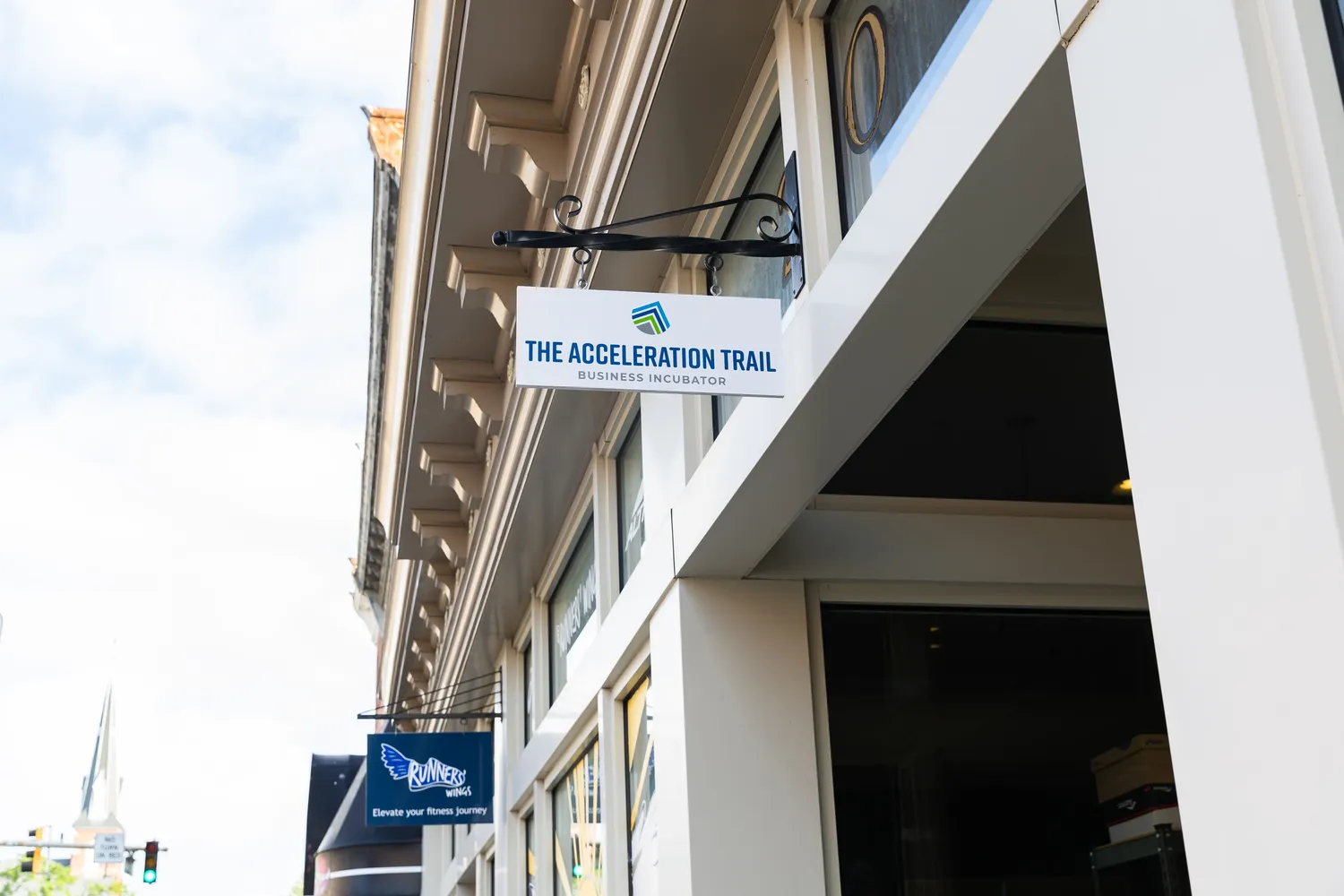
- Continued investment in the County’s business incubator, The Acceleration Trail, fostering local startups that are scaling products, testing markets, and creating new pathways for entrepreneurship.
- Support for sustainability and circular-economy ventures like Clym’s zero-emission, solar-powered medical-waste technology facility, Clean Compost’s local organics diversion service that helps farms and businesses reduce landfill use, and Aquatic Circle’s efforts to move closer to commercialization with a major MIPS-supported R&D collaboration.
- Advancement of community-driven revitalization planning and placemaking, including the student-led effort to reimagine Wills Creek as a connector and catalyst, and Frostburg’s Structural Stabilization Grant to meet unique building challenges in the area’s rocky terrain.
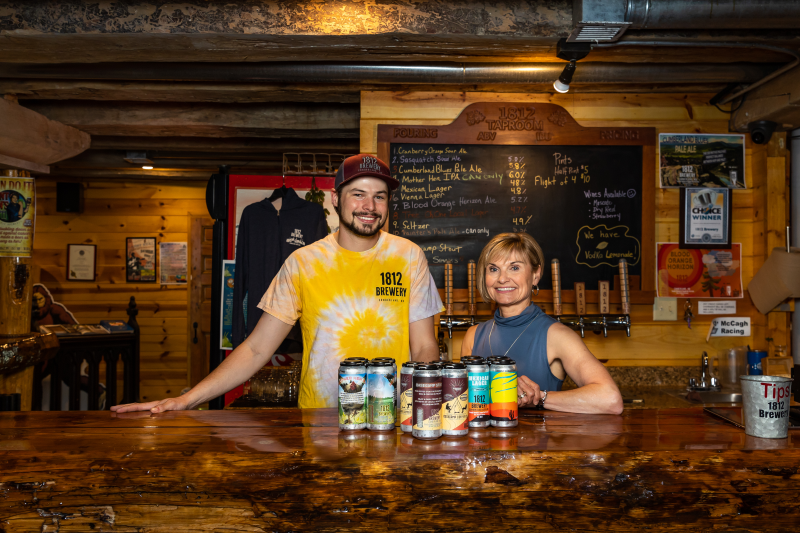
- Spotlighting small business entrepreneurs like Madison Paige Boutique, Seniors Fix, Mountain Maryland Foods, and legacy growth stories like 1812 Brewery’s major production expansion to meet rising demand.
- Uplifting talent and innovation by showcasing regional workforce development and apprenticeship-related initiatives during National Mentoring Month, highlighting REACT’s countywide STEM robotics youth programming, and amplifying technological ecosystem-building through Tech at the Gap.
The ACECD team also emphasized that economic development encompasses more than ribbon-cuttings and project delivery. It also includes supporting the quality-of-life “amenities” that help residents love where they live and keep spending local. Nathan Price, ACECD Senior Project Manager, pointed to the County’s efforts to strengthen the retail and restaurant landscape as part of this strategy. Referencing a high-profile recruitment effort of Longhorn Steakhouse, Price said, “The Longhorn Steakhouse was a direct [ACECD] project. We bought the land.”

That same quality-of-life lens is integral to the County’s approach to tourism. Ashli Workman, Director of Allegany County Tourism, said tourism is increasingly essential to the local economy, supporting business growth, infrastructure, and community amenities.
“Tourism is no longer ‘nice to have.’ It’s an economic driver that supports business, job growth, infrastructure, and quality of life,” Workman explains.
In 2025, Allegany County Tourism made a strategic investment in data to better understand visitor impact. By pairing the State of Maryland’s Tourism Economics data with a Tourism Funding Analysis developed for the department by Gray Research, the team captured a fuller picture of tourism’s value: not only what visitors spend, but how that spending strengthens public services and community capacity. The research found that visitor spending generated nearly $20 million in state and county revenues in a single year, which helps fund education, public safety, transportation, and health services while easing the tax burden on local residents.
Other notable data points include:
- $202 million in direct annual visitor spending
- ~2,900 jobs supported by Tourism (Allegany County’s 3rd largest industry)
- $50+ million in direct tax receipts across local, state, and federal levels
- Visitor spending up 22%+ since 2019, and hotel/motel tax revenue up 150% since 2017
- ~929,000 visitor nights annually and an average stay of 1–2 nights
- A record-breaking $2 million in hotel/motel tax collections
- $2 billion+ impressions from earned media coverage, including features in Travel + Leisure, Southern Living, and Garden & Gun
An additional major internal milestone for Allegany County Tourism in 2025 included the development of a new Tourism Strategic Plan, a significant undertaking that brought together stakeholder input, market insights, and a long-term roadmap for how the county will compete, tell its story, and invest in visitor experiences in the years ahead. Workman highlighted a powerful study finding: 48% of the local business community said that if tourism “closed its doors today,” they’d be shut down within 30 days. This insight underscores the day-to-day ripple effects of visitor activity on shops, restaurants, and experiences that residents rely on as well.
2025 also elevated Allegany County’s reputation beyond the region through strong earned media and strategic storytelling: “Last year alone, we had over 2 billion impressions,” Workman shared, alongside national visibility in outlets like Travel + Leisure, Southern Living, and Garden & Gun. This kind of reach helps signal to investors, entrepreneurs, and potential residents that Allegany County is an active, desirable community. “Strong earned media doesn’t just tell people where we are—it tells them why we matter,” said Workman. “When our story is shared through trusted voices, it drives visitation, supports local businesses, and helps position the county as a place worth investing in. That is economic development in action.”

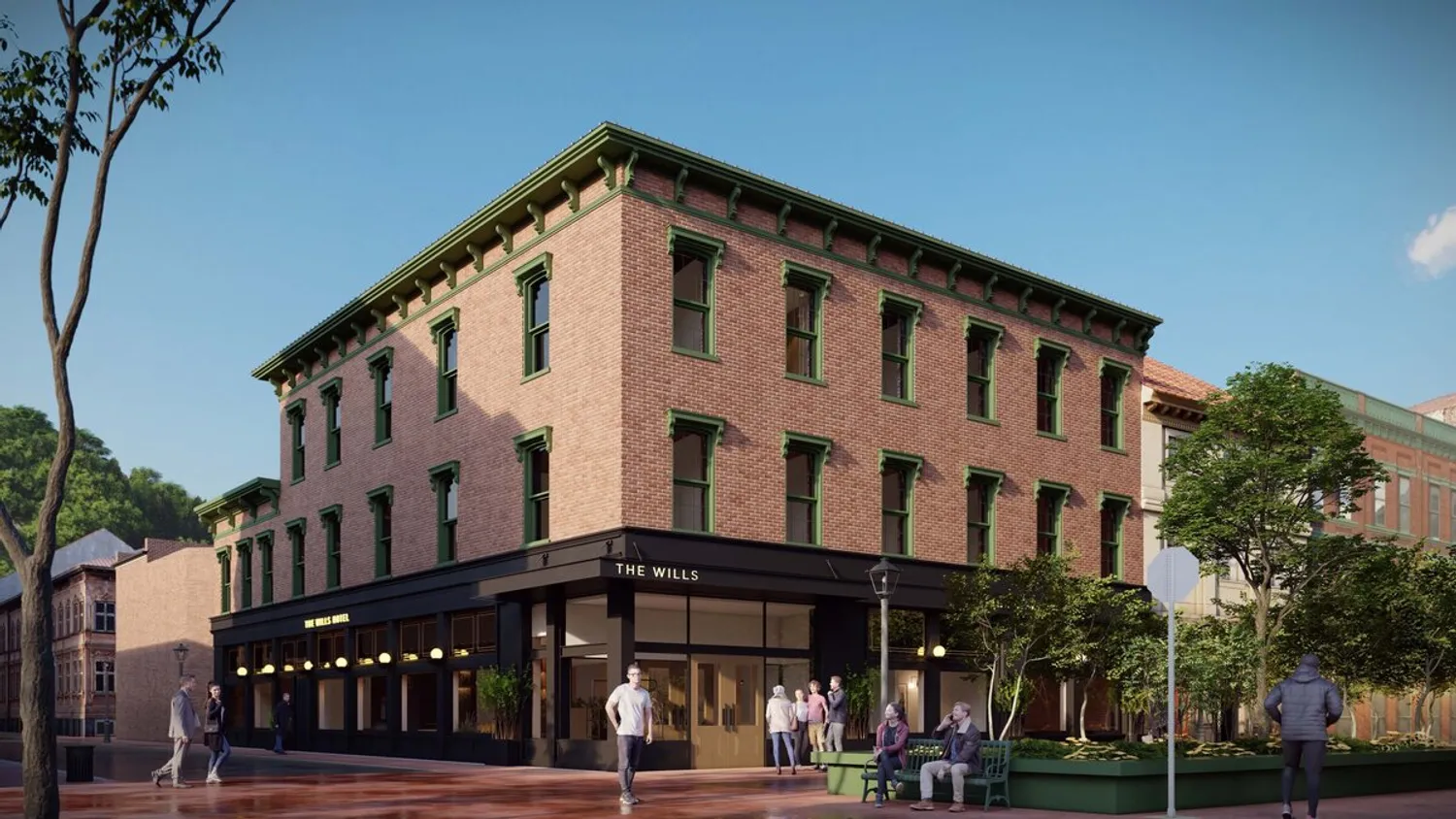
One project ACECD highlighted as a clear example of successful tourism and economic development collaboration is the Wills Hotel. Workman said Tourism was “heavily involved,” helping provide market data that strengthened the business plan case early and later assisted the hotel’s management team with industry specific data that would assist with their operational decisions surrounding pricing, positioning, and demand. ACECD said the project reflects a broader strategy in Allegany County to use data and partnerships to move ideas into investment.
Looking back on the year, Barclay said the theme for 2025 was “momentum” and described current efforts as “patiently investing in our future.” ACECD noted that while several large-scale projects are moving closer to completion, the County is also seeing the compounding impact of smaller wins: new storefronts, new business stories, and new reasons for people to stay, invest, and visit.
To stay connected with ACECD’s work and follow what comes next, explore the latest stories and updates on the blog.